· adswds-team · Security · 2 min read
Midnight Mimosa: when cheap Android firmware becomes a ‘residential proxy’
Landian News relays Bitdefender’s Midnight Mimosa report: preinstalled malware on cheap Androids can click ads and register devices as TCP relays (residential proxies). For overseas ads, some ‘human’ egress was never clean—detection and containment, not exploit detail.
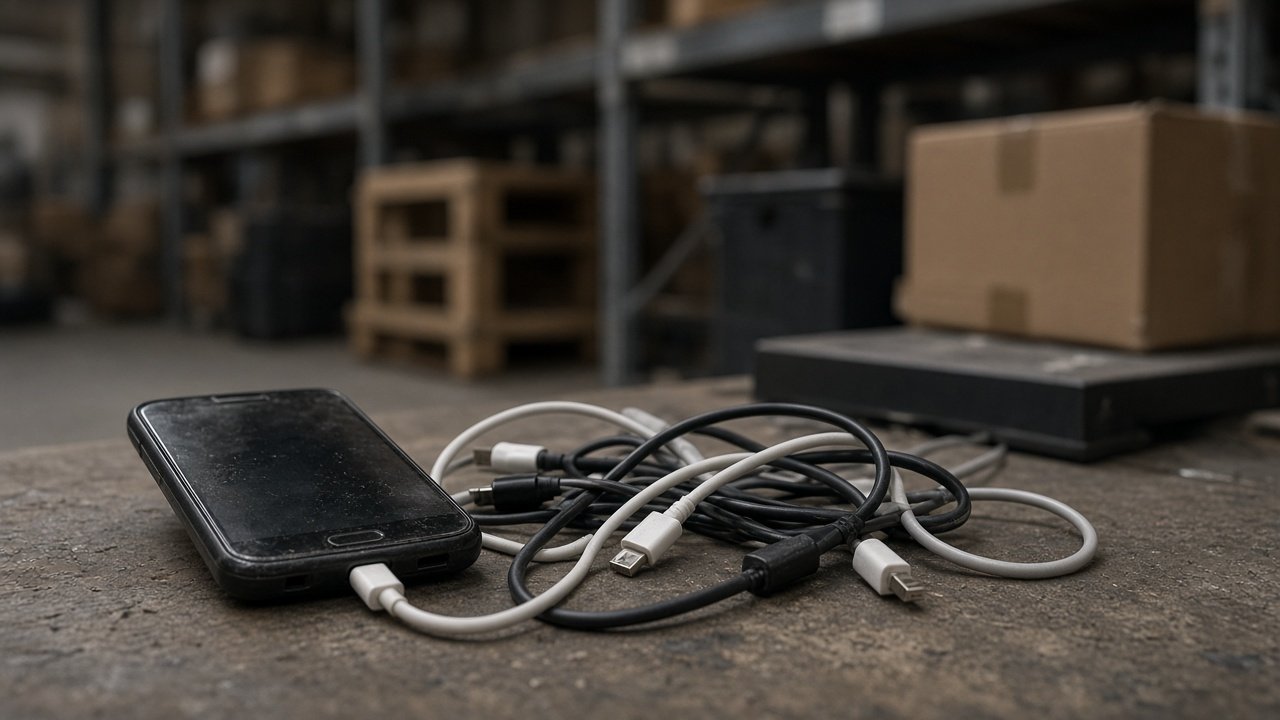
According to Landian News (9 Oct 2026), Bitdefender detailed Midnight Mimosa: malware present in cheap Android firmware before first boot; after activation it can masquerade as system components, install junk apps, hide/auto-click ads, and expose a TCP proxy so the device registers as a remote relay—i.e. a residential proxy node. Bitdefender confirmed the C2; concrete forward targets were not stably observed in tests.
In one line: some “home broadband egress” was never a willing user—it was a botnet appliance from the factory.
1. Technical sketch (via Landian)
| Item | Detail |
|---|---|
| Name | Midnight Mimosa |
| Reach | 150+ countries; multi-brand / white-box cheap Androids |
| Implant | In firmware before first boot (near-OEM preload) |
| Privs | System-level install/uninstall, grants, remote code |
| Evasion | Temporarily disable Play Store, install payload, restart store |
| Monetization | Ad impressions/auto-clicks; relay to mask origin or probe LAN |
| Limit | C2 confirmed; live forwarding not fully proven in tests |
For buyers: platform “residential IP + mobile UA” ≠ quality user.
2. Link to invalid traffic
Classic junk shows datacenter ASNs; Mimosa-class pushes egress onto real home/mobile nets plus auto ad clicks:
Preload activates
  → pull/auto-click ads
  → (optional) register as proxy node
  → third-party traffic hits your landing via that broadband
Spend can “look human” while conversion/dwell look scripted. IP blacklists alone fail.
3. What advertisers / landings can do
| Action | Note |
|---|---|
| Device slices | Cheap clusters, odd WebViews, shared firmware fingerprints |
| Behavior combos | Fixed dwell, no-interaction views, too-tidy hotspots |
| Click-ID join | Ads click ↔ landing ↔ business events |
| Placement isolation | Risky rewarded/unknown inventory on separate budgets |
| Entry rules | Edge containment for clear automation; sample false positives |
| API limits | Forms/SMS separate from HTML against proxy pools |
Visitor rules reduce mismatched business-page traffic; they do not replace platform IVT and dispute packets.
4. Pitfalls
Blanket country bans; CAPTCHA-only; assuming “mobile is cleaner.”
5. Takeaways
Landian’s Mimosa summary pushes “residential proxy” down to factory firmware. If optimization still uses “IP looks like a household” as a quality proxy, you will be steered wrong. Prefer device clusters, behavior distributions, and click-ID reconciliation.
Further reading: Facebook / Google Ads differences.